

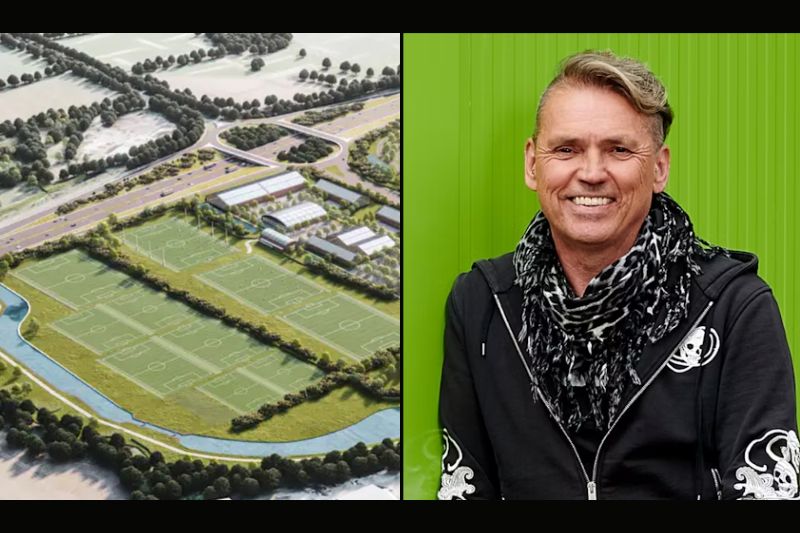
New York: Forest Green Rovers’ long-planned Eco Park stadium near M5 Junction 13 has hit another bump in the road, literally. Club owner Dale Vince says the project is being held back by the price and pace of the A419 road scheme, and he’s not happy about who’s expected to pay for what. In recent local coverage, Vince accuses Gloucestershire County Highways of stalling progress and landing the club with a new multi-million pound bill tied to road changes feeding the site.
What’s the dispute about?
The Eco Park plan, billed as a pioneering, low-carbon, largely wooden football stadium with a wider green tech hub, needs highway works so fans, freight, and everyday traffic can safely reach the site from the A419 and nearby M5. According to Vince, fresh demands around those works have inflated costs, with figures of around £7 million now being talked about on top of the club’s existing outlay. That, he argues, wasn’t the deal, and it risks slowing a project that already took years to clear planning steps.
From Vince’s point of view, this is a classic “goalposts moved late” story: stadium design approved, appearance signed off, momentum building—then a big extra highway tab arrives. Local reports say he’s pushed back publicly, suggesting the county’s stance is jeopardising timelines and fairness.
Must Read: Michael Jordan Might Appear on LeBron James’ Podcast “Mind The Game”
Where the stadium stands now
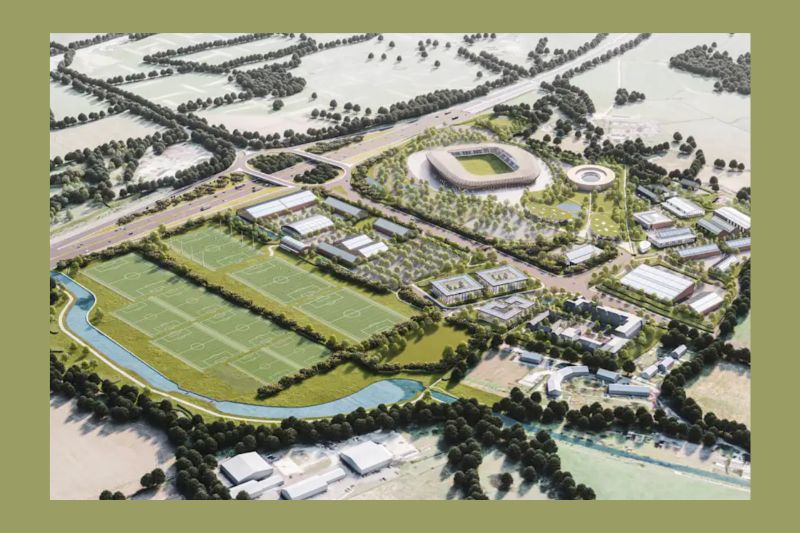
Despite the noise, Eco Park is real and moving. Stroud District Council approved key details like the external look of the 5,000-seat ground late last year, after years of back-and-forth and revised submissions. That decision followed a long saga, which included a rejection in 2019, later overturned as the project was reshaped. The club’s design, marketed as the world’s lowest carbon football stadium, has become a local and national talking point.
The wider Eco Park vision goes beyond matchdays: offices, training facilities, and a green tech business cluster expected to pump serious value into the area over time. Ecotricity, Vince’s energy company, has long argued the scheme will support the local economy and rates base once operational.
Why the A419 matters
If you’re not local, the A419 is the key artery linking M5 J13 to Stonehouse/Stroud. On big matchdays, the stadium needs predictable, safe access in both directions. Highway authorities typically ask developers to contribute to improvements that make their schemes viable turning lanes, roundabout changes, signals, pedestrian links, and so on. The disagreement here is how much, and who covers which pieces, given the project’s public benefits versus its private ownership.
Recent pieces in Gloucestershire business and community outlets say the club expected to fund a share, but not to carry what Vince calls a new, outsized chunk. County officials haven’t aired a detailed line-by-line in the articles we’ve seen, but the effect is clear: negotiations over the road plan have become the latest critical path item. Fans’ view and local sentiment
Among Forest Green supporters and nearby residents, the reaction splits into two familiar camps:
- “Get it built”: After years of plans, consultations, and tweaks, many just want shovels in the ground. They see the stadium as a point of pride and a local jobs driver.
- “Sort the roads first”: Others worry about congestion and safety if the access isn’t nailed. For them, the A419 works are not optional extras; they’re the foundation.
Both sides can be true. Stadium days are great for local business but only if roads and parking work. That’s why this cost row matters beyond spreadsheets: it shapes how game day will feel for families, bus drivers, and emergency services.
What happens next
In practical terms, three things will decide how fast Eco Park moves:
- A funding compromise: Can the club and county agree on a split for the A419 package that feels fair and legally sound under planning rules?
- A phased approach: Some stadium projects open with an interim traffic plan (temporary signals, stewarded crossings) before full works land. That could keep the momentum while bigger engineering follows.
- Clear timelines: Sponsors, contractors, and the community need dates they can bank on. A published schedule for highway works and stadium milestones would help rebuild confidence.
Local reporting suggests both sides know the stakes. The project has symbolic weight a “gateway to Stroud”, a low-carbon flagship, and a new home for a club that’s become famous for vegan pies and eco-first football. Delays don’t just cost money; they sap goodwill.
Why this is a podcast-worthy story
This row isn’t just about one road. It’s about how we build greener infrastructure in the real world. Your episode can frame it like this:
- Policy vs practice: Town halls love climate-friendly projects, but who pays for the last mile literally?
- Community impact: Bring in a local shop owner, bus commuter, or paramedic to talk through matchday access fears and hopes.
- Owner’s stance: Play the key quotes from Vince on highway costs, then invite a transport planner to explain standard developer contributions on projects this size.
Must Read: Candace Owens Thanks TPUSA as Her Podcast Tops Charts Post Kirk’s Death
Dale Vince says the A419 road scheme cost is too high and is slowing Forest Green Rovers’ Eco Park. The county wants road safety and capacity nailed before turnstiles spin. Somewhere in the middle is a deal that gets a low-carbon landmark built without choking the route from M5 J13. Until that deal lands, expect more headlines—and a nervous watch on the calendar from fans who’ve waited long enough.

