

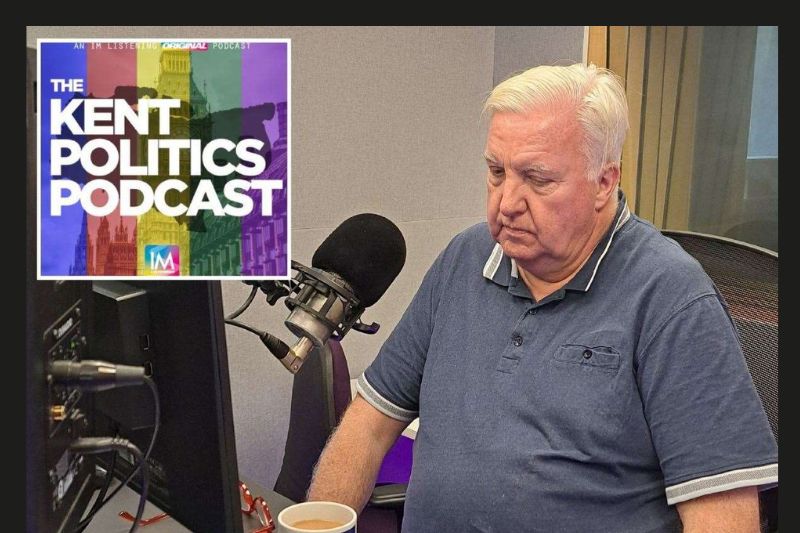
New York: This week’s Kent Politics Podcast lands right in the middle of a row that everyone’s been talking about. Chancellor Rachel Reeves made pointed comments about Kent County Council and the podcast team got Cllr Andrew Kennedy in the studio to unpack what it all means for people living in the county.
Reeves’s remarks were blunt. She suggested Reform UK’s new leadership at KCC had not managed to find savings and that local taxpayers might be facing higher bills. That line drew a sharp response from the council’s leadership, who publicly described her comments as misleading. The push-and-pull set the scene for a lively episode where national politics and local services meet.
Must Read: Candace Owens Thanks TPUSA as Her Podcast Tops Charts Post Kirk’s Death
If you want the short version, the episode mixes a national finance argument with very local facts. The host opens with what Reeves said a high-profile accusation about council finances, then hands the mic to Andrew Kennedy, a Conservative member of Kent County Council. Kennedy’s appearance isn’t just a quick reaction. He’s been on the local scene for some time and, in this episode, explains why the county’s recent political shake-up looks messier up close than it might in Westminster.
A few concrete things came up in the chat. Kennedy points out that Reform UK won a big chunk of council seats earlier this year and that their claims of immediate savings have been a headline story. But he also argues some of those cuts are things the previous administration had already started, and that quick headlines don’t always show the full budget picture. The conversation gives listeners a clear sense of how local budgets, transport contracts, and services like home-to-school transport hang together and why you can’t always fix messy finances with a single speech.
The tone of the episode stays human. Kennedy doesn’t speak in abstract budgets alone. He gives examples about how money gets spent: taxis used for home-to-school runs, long-term debt pressures, and how reorganising services takes months, not minutes. That’s useful for listeners who aren’t spreadsheet people. It’s the kind of chat that makes a big policy row feel like a neighbourhood problem, the kind you can picture, like a local parent worrying about school transport or someone noticing a new council notice about rising charges.
There’s also some politics-within-politics. The podcast highlights tensions inside Reform UK in Kent, defections, and public spats. Kennedy reflects on what it means when a party wins big but then struggles to hold itself together. He likens it to a sports team that suddenly finds itself with the trophy but no clear plan for the next season exciting, but risky. That framing helps listeners who follow national headlines understand the local fallout.
For listeners who want to dig deeper, the episode includes links and references to reporting that has tracked the claims and counterclaims about KCC’s finances. The hosts stay neutral, they press Kennedy on specifics and ask the obvious follow-ups: how soon will we see savings, are services likely to be cut, and what does this mean for council tax? Those are the exact questions people would ask at a parish meeting.
Must Read: Kylie Kelce’s Podcast Rise and the One Rule Behind Her Family Life
If you care about how national politics affects local services, this edition of the Kent Politics Podcast is worth 30 minutes of your time. It cuts through the headlines and gives you a councillor’s take on the numbers, the politics, and the consequences. Play it if you want a practical, plain-English view of why a national finance row matters down the road where you live.
Episode where to listen: “Rachel Reeves aims KCC, a £50m project gets the go-ahead, and special guest Andrew Kennedy” on the Kent Politics Podcast feed and on the Kent Politics YouTube channel.

