

New York: The popular intellectual podcast The Tight Rope, hosted by Dr. Cornel West and Prof. Tricia Rose, has recently reignited conversation—not just about race and philosophy, but a surprising gaming controversy. While the duo are known for their deep dives into systemic racism, justice, and culture, a recent episode has listeners buzzing over social issues tied to a so-called “Octopus Game.”
Deep Dialogue Meets Unexpected Gaming Talk
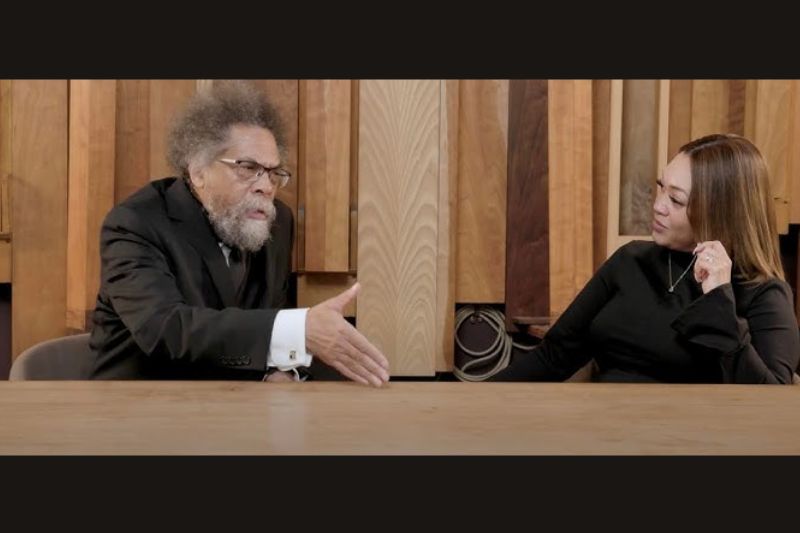
For years, The Tight Rope has carved out its reputation as a space for honest, challenging conversations. The hosts invite guests to reflect on power structures, structural inequality, and the moral imagination. Their format encourages thoughtful self-examination and dialogue, not sensationalism.
But in a recent segment, the podcast veered into uncharted territory: video game ratings, social impact, and what some listeners are calling a moral debate around a game dubbed the “Octopus Game.” While there’s limited publicly available reporting on the specifics of this particular game, the mention has set off a chain reaction across social media and gaming communities.
The Controversy: What Is the “Octopus Game” Debate About?
So, what sparked this ? The controversy appears to stem from The Tight Rope hosts raising questions on how games can reflect and reinforce social values—and whether rating systems adequately capture their broader cultural significance. While the podcast didn’t explicitly name a major commercial title or share detailed game mechanics, the idea of an “Octopus Game” became symbolic in the discussion: a metaphor for complexity, alien intelligence, and ethical ambiguity.
Some listeners interpreted it as a critique of games that are morally ambiguous, dark, or even exploitative, suggesting they may desensitize users or normalize problematic themes. Others saw it as a broader conversation about digital media ethics—how games, just like films and books, are embedded in social systems and influence how we think.
Because the game in question is not clearly identified, opinions online have diverged dramatically. Some gamers have rallied, saying that the podcast is overreaching—how can we frame a game as morally suspect based on value judgments? Others, especially those concerned with media influence, support the debate, arguing that games deserve the same scrutiny as other cultural forms.
Why It’s Resonating on Social Media
On platforms like X (formerly Twitter) and Reddit, listeners and gamers are weighing in heavily. Here’s what’s fueling the buzz:
- Cultural Reflection: Many believe The Tight Rope has tapped into something bigger — how art (including games) mirrors social values.
- Ethical Ratings: There’s renewed pressure for game developers and rating boards to go beyond violence and gore and consider the social and psychological messages conveyed.
- Media Literacy: Some users say this debate highlights the urgent need for better media literacy: not just for children, but for all gamers.
- Symbolism of the Octopus: The “octopus” itself — with its many arms and alien intelligence — is becoming a powerful metaphor in comment threads. People are using it to talk about hidden influences in digital media and how games can feel otherworldly yet familiar.
Because The Tight Rope is respected for its thoughtful, serious tone, this discussion isn’t being dismissed as clickbait. Instead, it’s being elevated: the podcast raised questions, and the community is leaning in to discuss them.
Broader Implications: Podcasting Meets Gaming Ethics
This isn’t just a niche gaming debate — it’s part of a larger trend where culture, technology, and ethics collide:
- Podcasts as Thought Leaders
The Tight Rope is proving how a socially conscious podcast can drive cultural debate, even beyond its usual themes. Listeners expect more than entertainment; they want reflection, and this gaming talk has given them a platform. - Social Issues Through Gaming
Video games aren’t just escapism. As more creators, thinkers, and critics question the role of games in shaping narratives, they’re forcing us to consider moral and social responsibility in design. - Call for Better Rating Systems
If a game can spark a discussion about justice or power, should rating systems (like age ratings) also evaluate that dimension? Some in the community argue yes — and that game boards and regulatory bodies must evolve. - Digital Media’s Real-World Impact
This whole debate underscores how media (games, podcasts, films) isn’t separate from reality. Our values are embedded in the stories we create — and in how we critique them.
Must Read: Best 7+ Anthology Horror Show based on a Podcast List
What’s Next for The Tight Rope and Its Audience
Listeners are now waiting for more clarification. Will The Tight Rope do a follow-up episode that dives deeper into the “Octopus Game”? Will they bring on game developers, critics, or ethicists to discuss these issues? And importantly, will this spark a wider movement within the gaming industry for more socially aware content reviews?
On social media, the conversation is far from over. Hashtags relating to gaming ethics and podcast criticism are circulating. Gamers are debating, panels might be proposed, and media thinkers are watching closely: this could be a moment where podcast influence spills over into tangible change in how video games are perceived and rated.

