

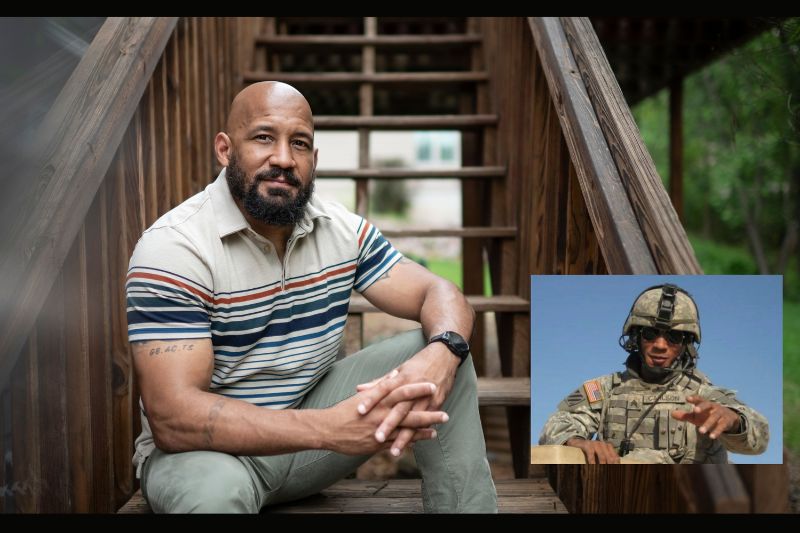
New York: A new short series called Carlson’s War landed this week on NPR’s Up First feed. On the surface, it’s a deeply personal story about one man’s life after combat. But listen closer and you’ll hear something bigger: a political argument about how the country treats veterans, people with PTSD, and those who fall into the criminal justice system. Part 1 is a tough, clear-eyed opening that has been quietly getting attention and that attention matters.
What Part 1 actually covers
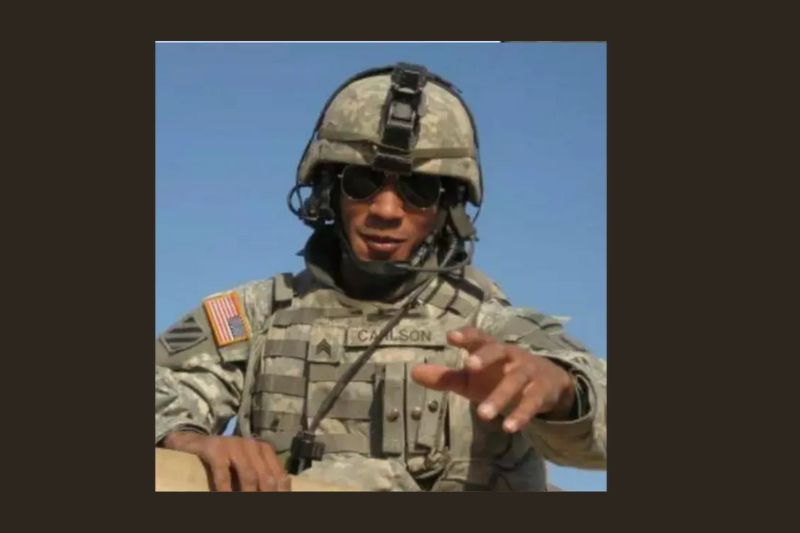
The episode follows Dave (or David) Carlson, an Iraq War veteran whose path moved from decorated service to a messy and painful life back home: PTSD, substance struggles, brushes with the law, and ultimately incarceration. Reporter Quil Lawrence has been following Carlson’s story for years, and this instalment stitches together interviews, archival audio and on-the-ground reporting to show how war’s aftershocks don’t stop when the soldier leaves the battlefield. It’s intimate, often uncomfortable listening in a good way.
You’ll hear about specific moments: the shock of combat, the slow collapse after deployment, the ways mental health support can fail veterans, and how the criminal justice system treats people who are both harmed and dangerous. The episode doesn’t sermonise; it shows with small scenes and plain facts how policy translates into real lives.
Why people are calling it political
At first blush, this is a human story. But public policy keeps popping up in the audio: waiting lists for VA care, gaps in re-entry programs for returning soldiers, and the social services that never arrive. Those are policy failures, and the podcast makes them feel urgent. That’s what turns a personal narrative into a political one. The listener is left asking, “Who’s responsible for fixing this?” and “What would it take to prevent the next Carlson?”
That framing matters because in everyday conversations about veterans, we too often trade slogans for solutions. Carlson’s War doesn’t just tug on the heartstrings; it maps the policy holes that let veterans fall through. That’s why reporters and show hosts are treating Part 1 not as isolationist grief theatre, but as an entry point for civic debate.
How people are reacting
So far the reaction is quieter than a social-media firestorm. This is public-radio stuff, not viral tabloid material but it’s resonating with the audiences who care about veterans’ issues. Local public radio sites and news partners have picked up the episode and highlighted the episode’s exploration of prison and PTSD; advocates say stories like this push lawmakers to look closer at services and funding that are still under strain. If your podcast covers policy, culture or local government, this one gives you a human case study to discuss.
What to play on your podcast (segment ideas)
If you want to build a show around Part 1, here are tight, listener-friendly segments you can run:
- Teaser & reaction (3–5 mins): Play a short, raw clip from the episode — for example, Carlson describing his first night back — then read two quick listener reactions or tweets.
- Expert explainer (10–12 mins): Interview a veterans’ counselor or a VA official. Ask: “What services exist? Why don’t they reach people like Carlson?”
- Policy minute (5 mins): Break down one concrete fix (e.g., accelerated PTSD screening, better re-entry programs) and what it would cost.
- Human roundtable (10 mins): Invite a veteran and a criminal-justice advocate. Let them speak to the episode’s core tension: victim vs. offender vs. patient.
These pieces keep the episode grounded, practical and empathetic, the same qualities that make Carlson’s War work.
Why this matters for audiences
Stories like Dave Carlson’s invite two responses that aren’t mutually exclusive: sorrow for an individual life that went off the rails, and anger that systems in place didn’t step in when they should have. That mix is politically powerful because it channels emotion into questions about collective responsibility. A podcast episode can be a space to hold both to mourn and to demand change.
Must Read: Allison Mack Speaks on NXIVM Sex Cult Role: ‘I Don’t See Myself as Innocent’
Carlson’s War: Part 1 is not an easy listen, but it’s a necessary one. It translates dry policy debates into the voice of a human being who lived the consequences. For podcasters, it’s a perfect story to explore, short enough to cover in one episode, and deep enough to fuel several more. Play it, discuss it, and push your audience to think about what real support for veterans should look like.

